Members of the Congolese Red Cross and volunteers carry victims of the recent conflict before burying them in a cemetery in Goma, Democratic Republic of the Congo. Image: EPA
(The Post Script)- The city of Goma in the Democratic Republic of Congo (DRC) has been left reeling from one of its deadliest conflicts in years.
The M23 rebels, whom Rwanda backs, declared a ceasefire on Monday after capturing the city of Goma. The rebels have upheld it for the most part. Additionally, the rebel ceasefire took effect on Tuesday. People rushed to bury the nearly 3000 victims of last week’s battles. Fear of disease spreading urged them on.
Humanitarian organizations such as the Red Cross and local authorities have begun mass burials to cope with the overwhelming number of dead bodies. The morgues are at full capacity, and there are corpses still lying on the streets.
Red Cross workers and medical teams have been collaboratively working to quickly bury the victims in Goma cemeteries. Unfortunately, many family members were not able to attend the burials of their loved ones. Furthermore, certain health risks regarding the deceased have caught some attention. Decomposing bodies in the streets, combined with power outages negatively affects refrigeration at the morgues.
The United Nations has said at least 900 people were killed and almost 3000 injured in the days of fighting in Goma that led to its capture. It was unclear why the UN and Congo’s death toll varied, reported the DFA.
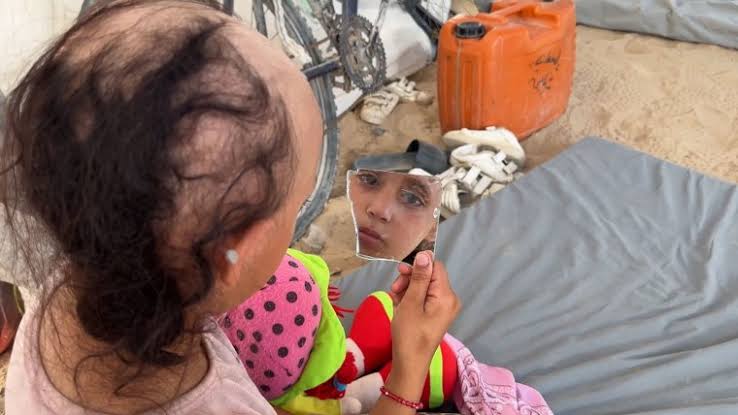
This conflict has displaced nearly half a million civilians as the city has struggled to provide adequate shelter, food, and medical assistance to those in need. The conflict raised concerns with the international community. Regional and international leaders are calling for a ceasefire.
This conflict has been ongoing since 2022, when the M23 rebels waged war against the DRC government. The DRC has accused the Tutsi-led rebels of having been backed by Rwanda. However, the Rwandan government has denied the accusations.
As mass burials continue in Goma, this tragedy serves as a painful reminder of the deep-rooted instability in DRC.
About The Author